
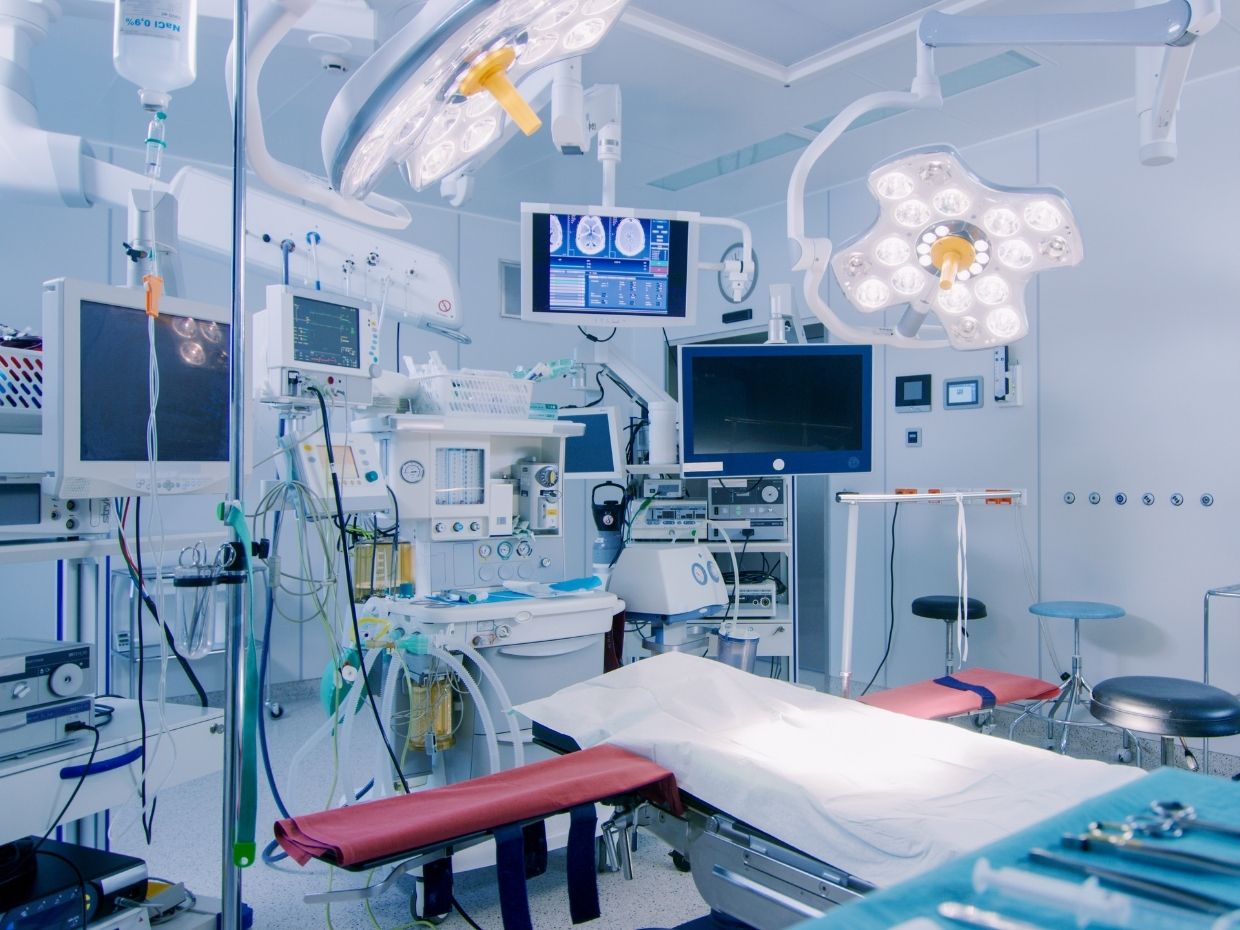
Advancements in Medical Imaging Technology: Enhancing Diagnostics
Medical imaging technology has undergone significant advancements in recent years, revolutionizing the field of diagnostics and enabling healthcare professionals to provide more accurate and effective patient care. These technological advancements have improved imaging capabilities, increased diagnostic accuracy, and facilitated quicker and more precise treatment planning. In this article, we explore some of the latest advancements in medical imaging technology and their significant contributions to enhancing diagnostics.
- Magnetic Resonance Imaging (MRI): MRI technology has seen notable advancements, leading to higher image resolution, faster scanning times, and improved patient comfort. The introduction of stronger magnets and advanced imaging sequences has allowed for clearer and more detailed images of the body’s internal structures. Additionally, functional MRI (fMRI) techniques enable the assessment of brain activity, providing valuable insights into neurological disorders and cognitive functions.
- Computed Tomography (CT) Scans: CT scanning technology has evolved to offer faster image acquisition and improved spatial resolution. The development of multidetector CT scanners has significantly reduced scanning time while producing high-quality, three-dimensional images. Furthermore, advancements in CT technology, such as dual-energy CT, have enhanced tissue characterization and enabled better detection and differentiation of various pathologies.
- Ultrasound: Ultrasound technology has become more sophisticated, with advancements in image resolution, portability, and the development of handheld devices. High-frequency transducers and advanced image processing algorithms have improved the clarity and detail of ultrasound images, allowing for more accurate diagnoses. Additionally, the integration of ultrasound with other imaging modalities, such as elastography and contrast-enhanced ultrasound, has expanded its diagnostic capabilities.
- Positron Emission Tomography (PET) Scans: PET imaging has seen advancements in detector technology and the development of hybrid systems, such as PET/CT and PET/MRI. These hybrid systems combine the functional information provided by PET scans with the anatomical details obtained from CT or MRI, enabling precise localization of abnormalities and more accurate diagnosis of various diseases, including cancer and neurodegenerative disorders.
- Interventional Imaging: Advancements in interventional imaging techniques have revolutionized minimally invasive procedures. Real-time fluoroscopy, 3D rotational angiography, and image guidance systems offer enhanced visualization and navigation during interventions, enabling precise placement of medical devices, such as stents or catheters. These advancements have led to improved patient outcomes, reduced procedure times, and minimized risks.
- Artificial Intelligence (AI) and Machine Learning: The integration of AI and machine learning algorithms in medical imaging has opened new avenues for diagnostics. AI algorithms can assist radiologists in image interpretation, lesion detection, and quantification, leading to faster and more accurate diagnoses. Machine learning models can learn from vast amounts of imaging data, aiding in early detection, risk assessment, and personalized treatment planning.
These advancements in medical imaging technology have transformed diagnostics, enabling healthcare professionals to detect diseases at earlier stages, make precise diagnoses, and tailor treatment plans to individual patients. Improved image quality, faster scan times, and advanced data analysis techniques have contributed to better patient outcomes, reduced healthcare costs, and enhanced overall efficiency in healthcare delivery.
As medical imaging technology continues to evolve, it holds great promise for the future of diagnostics. Further advancements, such as molecular imaging and artificial intelligence-driven automation, will likely further enhance the accuracy and efficiency of medical imaging, ultimately improving patient care and outcomes.


Leave a Reply